

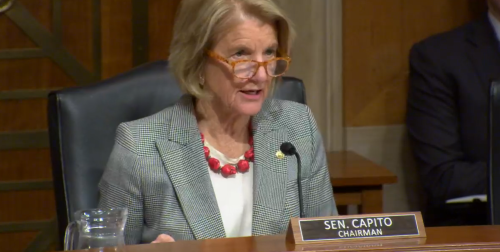

Lawmakers at a Nov. 19 congressional hearing expressed interest in addressing what construction and engineering firms as well as water and wastewater companies see as a major risk: potential liability under the nation’s Superfund law related to the removal and remediation of the forever chemicals known as PFAS.
The U.S. Environmental Protection Agency in April 2024 designated two types of PFAS chemicals—perfluorooctanoic acid (PFOA) and perfluorooctanesulfonic acid (PFOS)—as Superfund hazardous to require polluters to pay for their removal and cleanup.
Construction and water groups have long said that designating the chemicals as hazardous under Superfund casts too wide a net for responsible polluters, and that businesses and utilities with sites where PFAS is later found could be on the hook for remediation costs and lawsuits.
The EPA also issued a memo in 2024 saying it would use its “discretion” to assess liability, but construction groups say the agency’s vague assurances aren’t enough.
Leah Pilconis, general counsel for the Associated General Contractors of America, told lawmakers that while contractors don’t manufacture PFAS, they often work in places where the chemicals could be present.
“EPA’s ‘Superfund-direct’ designation of PFOA and PFOS as hazardous substances under [federal law] exposes contractors to significant legal and financial risk without providing a clear compliance path for the construction industry.”
Because the EPA has not issued clear and specific guidance on soil concentration levels for PFAS chemicals or proper soil disposal of the chemicals, many project owners choose not to test for their presence at work sites. “As a result, contractors performing excavation, trenching and dewatering activities are stuck with the risk of unknowingly handling PFAS and face cleanup liability or private party litigation for contamination they did not create, could not reasonably detect and have received no federal direction on how to handle,” Pilconis said.
“Liability issues must be addressed” both by the EPA, with clearer guidance, and by lawmakers on Capitol Hill,” Senate Environment and Public Works Committee Chairwoman Shelley Moore Capito (RW. Va.) said in opening statements at her committee’s hearing. “Congress must come together to enact a bipartisan solution to minimize future PFAS contamination, develop a clear path to passively protect PFAS”.
Ranking Member Sheldon Whitehouse (DR.I.) seemed to agree, noting, “If Congress has a role to play in making sure the right people pay to fix this problem, I look forward to working together to find a solution.” He added that the EPA must also adequately fund the state revolving fund loan programs that pay for the cleanups.
Capito said there is precedent for lawmakers and the EPA to step in when Superfund laws have made too broad a sweep of requirements. When liability concerns slowed brownfield cleanups, “EPA used administrative settlements to protect innocent property owners and local governments. That same authority exists today,” he said.
Kate Bowers, a supervising attorney for the Congressional Research Service, said requiring waivers and entering into settlements with those primarily responsible for PFAS contamination could be options to limit the liability of non-responsible parties in the future. .
