

This audio is automatically generated. Please let us know if you have any comments.
Corey Clayborne sees himself as a coach.
As he began his journey into leadership, he looked to some of the greatest players in sports like Michael Jordan and Tom Brady and how coaches helped shape their careers.
“I felt that my role as I became an executive is to coach people and put them in the right position to succeed, remove barriers and install culture,” Clayborne said. “I felt that this was a lot more than me telling someone what to do.”
That’s part of the mindset he’s bringing to his role as the new chairman of the Construction Industry Roundtable, a position he took on earlier this month. The CIRT is a public policy advocacy group that counts among its members the main players in the design and construction industry.
A former architect, Clayborn began as an executive leader by becoming CEO of the Virginia chapter of the American Institute of Architects.
Here, Clayborne talks to Construction Dive about his early passion for design and construction, the state of the industry, and the biggest policy issues facing CIRT.
The following has been edited for brevity and clarity.
Construction Dive: What drew you to the construction and design industry?
COREY CLAYBORNE: I think even as a child I always had an interest in the built environment. And when I started to mature, going through college, I had the opportunity to see that architecture really touches everything. Places and spaces and architecture and design impact everyone. Everyone has to experience it.
So for me to have a stake in what that journey looks like for community members is amazing. There’s nothing better than walking through a building that you were a part of, and people saying, “Wow, that’s amazing!” Like, that’s really one of the best feelings you could ever have, and it never gets old.
What made you want to pursue this leadership position at the Construction Industry Roundtable?
I think what attracted me to this position was the membership base. CIRT is comprised of approximately 130 of the top CEOs or key executives of America’s leading design and construction firms. It is very rare in your life that you work with those who are in the driver’s seat of an industry. They are very instrumental actors in the economy.
I’m driven by impact. And if you’re going to make progress on any issue, whether it’s workforce development or mental health, whatever it is in the design and construction industry, if 130 of the most prominent influential leaders in these companies can’t do it, then who can?
What are the issues that CIRT members, these leaders, pay most attention to?
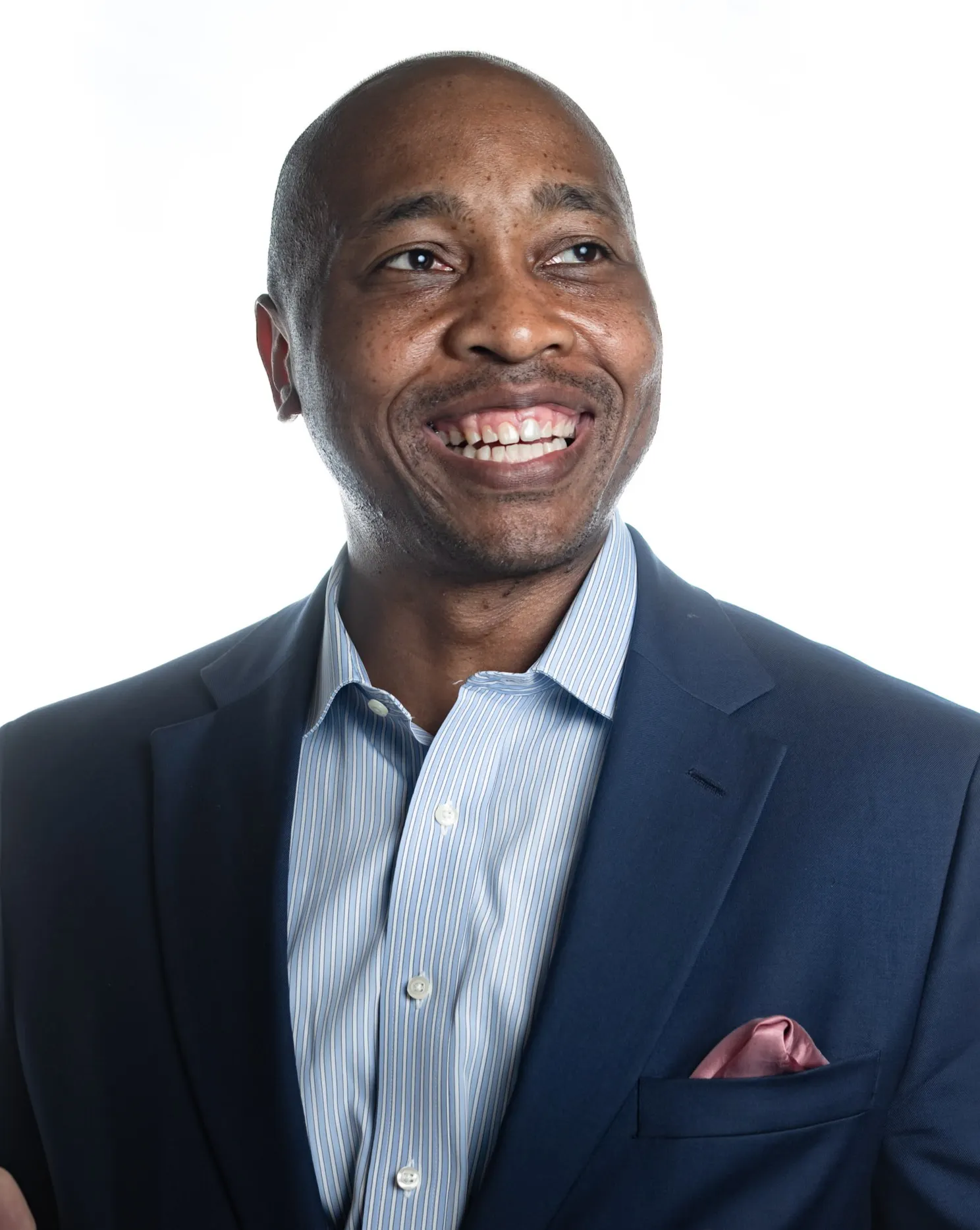
Corey Clayborne
Permission granted by Corey Clayborne
Looking at our strategic plan, I would say workforce. This will always be a main theme. It’s a crisis. We have to look at how the political dynamics are starting to play into this, whether it’s immigration policy or the construction image. How do we begin to recruit young people in this space?
Also, the volatility of the economy. We have tariffs and a lot of geopolitical stuff going on right now, so what’s the price of getting materials here? This will always be something that these members will look at.
I would be remiss if I didn’t say sustainability. Depending on where you work in the country, some sustainability requirements are coming into the code. Understanding the regulatory environment, which is always changing and can vary from region to region, is important to us,
There is a list of things worth struggling with that these leaders are investigating. And this is the power of the CIRT. You can be vulnerable and have some honest conversations with other colleagues that you might not be able to have at your company.
What do you see as the road map for the future of the CIRT?
How I deal with my position is divided into four phases. I’m in the “understanding phase” right now. I’m diving in with the members, with the industry, understanding the issues at a granular level, understanding where we’re doing really well, where there are opportunities, where there are opportunities for growth or strength to leverage.
Then there is a phase called “exploration”. And that’s the fun part, right? That’s where you can come up with various solutions. And this is part of being an architect that excites me; making many sketches or concepts.
The third phase, “materialization,” says, “You have all this, what are you going to do with it?” This is the part of the building. What does the solution begin to look like?
Finally it is “reflection”. And I think it’s always helpful to take a break, take a look at what’s happened, and are things going the way you thought they would? Where to pivot?
It seems as if AI is everywhere. What is your position on technology?
Here’s what I will say: I’ve never known anyone to fight technology and win. He is undefeated. And so I think you have to find ways to accept that. And often, when used well, it should free up time for you to do the things that require more attention.
I think the second part is understanding where not to use AI. I think we don’t talk about it enough. We don’t talk about using it, but we ask the question, where should we not use it? In my opinion, there is a lot of the human relations aspect. This is so essential to running a partnership, this emotional intelligence. The AI won’t be able to do it for you.
