

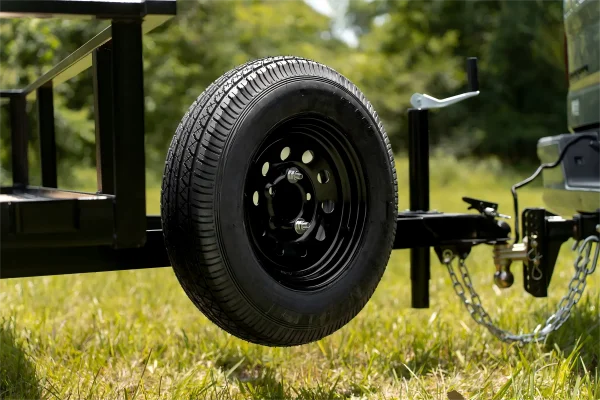
The best utility trailer tires for safe and reliable towing
Choosing the best utility trailer tires is one of the most overlooked but critical decisions for anyone who regularly tows a trailer. Whether you’re hauling equipment, hauling materials to work, or using a trailer for farm or yard work, your tires do a lot more than just roll down the road. They carry constant vertical loads, absorb heat and maintain stability in conditions that vehicle tires are not designed to handle. If the trailer tires fail, the consequences are not only inconvenient. They can be costly, dangerous and detrimental to your operations. This guide focuses on how to select the best utility trailer tires for the real world, with clear explanations, practical advice and long-term reliability in mind.

What Makes Utility Trailer Tires Different?
Utility trailer tires are designed for a completely different job than passenger or light truck tires. While car tires are designed to handle steering, acceleration and braking forces, trailer tires are primarily built to carry heavy loads consistently over long periods of time. This is why the sidewalls of trailer tires are significantly stiffer. This stiffness reduces side sway, improves tracking behind the towing vehicle and helps maintain stability during braking. When looking for the best utility trailer tires, you should always prioritize load handling ability over tread comfort or appearance.
ST Tires vs LT Tires vs Passenger Tires
ST tires, which stands for Special Trailer Tires, are manufactured specifically for trailers. They provide higher load capacity and stronger sidewalls compared to LT or passenger tires of the same size. LT tires are sometimes used on trailers, especially in light duty situations, but they are still a compromise. Passenger car tires should never be used on a utility trailer because they are designed for flexibility and ride comfort, not sustained vertical loads. Using passenger tires on a trailer often results in excessive heat build-up, sidewall fatigue, and sudden failures.
Why it’s important to choose the best utility trailer tires
Trailer tire failure is one of the most common causes of breakdowns on the road when towing. Poor quality or incorrectly rated tires can overheat, delaminate or explode without warning. Choosing the best utility trailer tires reduces the risk of accidents, protects your cargo, and ensures that your trailer follows predictably behind your tow vehicle. From a business perspective, reliable trailer tires also reduce downtime, maintenance costs and liability risks.
Safety and load stability
When your trailer tires are properly graded and properly inflated, the trailer stays stable during turns, braking and highway navigation. Under-rated tires can flex excessively, causing rocking and poor handling. This becomes especially dangerous at highway speeds or when carrying uneven loads. High-quality trailer tires help maintain even contact with the road surface, improving overall trailer control.
Key factors to consider when buying utility trailer tires
Buying trailer tires without understanding their specifications is a common mistake. The best utility trailer tires are selected based on how the trailer is actually used, not just what fits on the wheel. Before making a purchase, you should evaluate the load range, tire size, speed and type of construction. These factors work together to determine whether a tire will perform reliably in your specific towing conditions.
Load range and weight capacity
The load rating indicates how much weight a tire can safely support. For example, a tire in load range C supports less weight than a tire in load range D or E. When calculating your required load capacity, include the weight of the empty trailer plus the maximum load weight, then divide by the number of tires. Always choose a tire with extra capacity beyond your usual load to reduce stress and heat build-up.
Tire size and speed
The tire size must match both the wheel diameter and the clearance available inside the trailer fenders. Speed rating is equally important. Most ST trailer tires are rated at 65 mph. Exceeding this limit increases internal heat, which is the leading cause of trailer tire failure. If you tow frequently on the highway, selecting the best quality radial trailer tires is even more important.
Radial vs Bias Utility Trailer Tires
Radial trailer tires and bias ply trailer tires serve different purposes. Radial tires are better suited for long distance towing and highway use because they run cooler and wear more evenly. On the other hand, bias ply tires have a stiffer construction that works well on rough terrain and short distances. When choosing the best utility trailer tires, think about where and how often you tow rather than relying on a one-size-fits-all approach.
Tread patterns and usage scenarios
Tread design affects traction, heat dissipation and tire life. Road tread patterns are optimized for paved roads and long distance towing. All-terrain tread patterns offer better grip on gravel and dirt surfaces while performing well on pavement. Off-road oriented tread designs are best for agricultural or construction trailers that rarely see highway speeds.
How long do utility trailer tires really last?
Many trailer owners focus only on tread depth, but age is just as important. Even if a tire looks new, rubber compounds degrade over time due to exposure to UV rays, temperature changes and environmental factors. Most experts recommend replacing trailer tires every five to seven years, regardless of mileage. Regular inspections help identify cracks, bumps, or uneven wear that indicate it’s time to replace it.
Proper maintenance of utility trailer tires
Maintenance plays an important role in extending the life of even the best utility trailer tires. Proper inflation should always be checked before towing, especially after changes in temperature. Underinflated tires generate excessive heat, while overinflated tires reduce traction and increase wear. Rotating the tires on tandem axle trailers also helps distribute the wear more evenly.
Common mistakes to avoid when buying trailer tires
One of the biggest mistakes trailer owners make is choosing the cheapest tire available. Cheap tires often use inferior materials that fail prematurely. Another common mistake is mixing radial and bias tires on the same trailer, which can lead to uneven handling and instability. Whenever possible, replace tires as a complete set.
Frequently asked questions about utility trailer tires
Can I use light truck tires instead of trailer tires?
Light truck tires can be used in limited situations, but are not ideal for most utility trailers. Trailer tires are specifically designed to handle sustained loads and reduce sway. For best results and safety, ST trailer tires are recommended.
What is the most common cause of trailer tire blowouts
The most common cause of blowouts is underinflation. Low tire pressure increases flex and heat build-up, ultimately leading to failure. Periodic pressure checks are essential.
How do I know if my trailer tires are overloaded?
Signs of overload include excessive sidewall bulging, rapid tread wear, and increased sway. Always check that the load capacity of the tires exceeds the actual load being carried.
Radial trailer tires are worth the higher cost
For frequent or long distance towing, radial trailer tires are worth the investment. They offer longer life, better heat management and better stability at highway speeds.
How should I store my utility trailer tires?
Store trailers in a shaded area away from direct sunlight. If possible, raise the trailer to reduce the constant load on the tires. Proper storage significantly extends tire life.
conclusion
Selecting the best utility trailer tires isn’t about finding the most popular brand or the lowest price. It’s all about understanding how your trailer is used and choosing tires that can safely handle that workload over time. When you focus on the correct load capacity, proper construction and consistent maintenance, you dramatically reduce the risk of failure and improve overall trailer performance. Reliable trailer tires are not just one component. They are the basis for safe, efficient and worry-free towing.
