

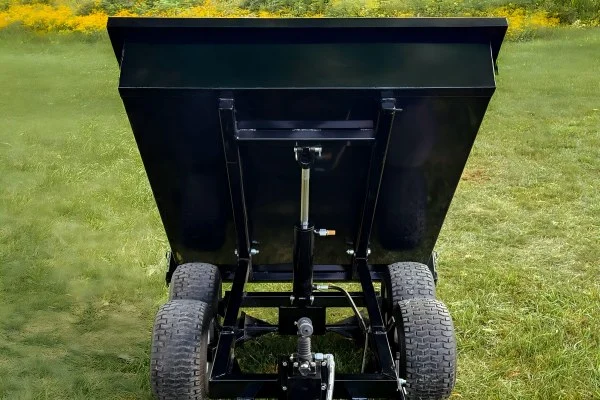
Hydraulic deck utility trailer explained for real world work
A hydraulic deck utility trailer is designed for people who move heavy equipment regularly and want a safer, faster and more controlled loading process. Instead of relying on steep ramps or awkward lean angles, this type of trailer uses a hydraulic system to lower the entire deck to near ground level. This unique design change dramatically reduces loading stress, protects expensive equipment and improves day-to-day efficiency for contractors, landscapers, farmers and equipment rental operators.

If you’ve ever felt nervous loading a skid steer, lawnmower, or compact tractor down a set of ramps, you understand the problem this trailer solves. A hydraulic utility deck trailer lowers the deck onto the equipment, not the other way around. It feels less like forcing a machine up and more like rolling it across a flat surface.
What is a Drop Deck Hydraulic Utility Trailer
A hydraulic drop deck utility trailer is a utility trailer equipped with hydraulic cylinders that allow the deck to move vertically. During loading and unloading, the deck lowers until it almost touches the ground. Once the equipment is in position, the hydraulic system raises the deck back to its transport height and locks it securely in place.
This design is especially valuable for short clearance equipment, wheeled machines with small tires, or loads that need to stay level during loading. Unlike traditional utility trailers that rely on ramps, a hydraulic drop deck utility trailer eliminates most of the sharp angle that causes scrapes, skids or sudden weight shifts.
How it differs from a standard utility trailer
Standard utility trailers have a fixed deck height and rely on ramps or tilt mechanisms. While this approach works for lighter loads, it becomes risky as the weight increases. A hydraulic drop deck utility trailer offers controlled movement, predictable positioning and a much lower loading angle. This difference directly affects safety, equipment life and operator confidence.
How the hydraulic drop roof system works
The hydraulic system is the basic characteristic that defines this type of trailer. One or more hydraulic cylinders are mounted under the deck and connected to a pump. When activated, the system extends or retracts the cylinders, allowing the deck to smoothly lower or rise back into position. Movement is gradual and controlled, which is critical when handling heavy or expensive equipment.
Hydraulic power options
Most hydraulic deck utility trailers use an electric-over-hydraulic system powered by a battery. With a simple switch or cable command, the operator can precisely control the deck height. Some trailers use manual hydraulic pumps, which cost less up front but require physical effort. For frequent use, electric systems are generally preferred because they save time and reduce fatigue.
Why Drop Deck design is important for everyday use
The biggest advantage of a hydraulic drop deck utility trailer is the low load angle. This is not just a convenience feature. Directly protects low ground clearance equipment such as scissor lifts, trenchers and skid steer loaders. With a flatter loading surface, there is less risk of dragging frames, damaging attachments or losing traction mid-ramp.
Safety is another important factor. Many towing accidents occur during loading and unloading, not while driving. A drop deck design reduces the risk of kickback, side tilt and sudden weight shifts. Operators feel more in control, which leads to fewer errors and safer workplaces.
Key benefits of a drop deck hydraulic utility trailer
One of the most practical benefits is the reduction of physical exertion. No need to force heavy equipment uphill or balance on narrow ramps. The machines work smoothly and their correct position is easier. This improves weight distribution and trailer stability, especially on long trips or rough roads.
Another advantage is the protection of the equipment. Fewer ramps mean fewer contact points. Over time, this reduces bent ramps, damaged frames and unnecessary wear and tear on tires and undercarriages. For businesses that rely on their equipment on a daily basis, this protection directly impacts operational costs.
Common applications and industries
Hydraulic cover utility trailers are widely used in gardening and construction. Crews often load mowers, skid steers, compressors and generators several times a day. Faster loading means more completed jobs and less downtime between sites.
In agriculture, these trailers are useful for transporting compact tractors, sprayers and implements between fields or facilities. Equipment rental companies also benefit because customers can load and unload machines with less training and less risk.
Utility trailer with hydraulic drop cover vs tilt trailer
Tilt trailers rely on balance and gravity to change the deck angle. While effective for certain loads, they can feel unpredictable with uneven weight distribution. A hydraulic drop deck utility trailer lowers the entire deck evenly, providing better stability during loading.
From a cost perspective, tilt trailers tend to be cheaper. However, for frequent use or heavier equipment, the additional control and safety of a hydraulic rig often justifies the higher initial investment.
Load capacity and size considerations
Choosing the right load capacity is critical. Always consider the heaviest gear you want to carry, including accessories, fuel and accessories. A hydraulic drop deck utility trailer should have a gross vehicle weight rating that exceeds the maximum expected load.
The length and width of the deck are equally important. A deck that’s too short makes positioning difficult, while a narrow deck limits gear options. Carefully measuring your equipment before you buy avoids costly mistakes.
Axles, suspension and stability
Single-axle trailers are lighter and less expensive, but have limited capacity. Utility trailers with tandem axle hydraulic drop-flats offer better weight distribution, improved braking performance and smoother towing at highway speeds.
The choice of suspension is also important. Leaf spring suspension is durable and widely used, while torsion axles provide a smoother ride and require less maintenance. The right choice depends on the weight of the load and the distance of travel.
Frame materials and finish options
Most hydraulic deck utility trailers use steel frames for strength and durability. A well-designed steel frame resists bending under heavy loads and holds up for years of use.
Finish options usually include painted steel or galvanized steel. Galvanized trailers better resist corrosion in wet or coastal environments, while painted trailers cost less initially but require more maintenance over time.
Maintenance and reliability of the hydraulic system
Hydraulic systems are reliable when properly maintained. Regularly checking fluid levels, hoses and electrical connections will prevent most problems. Keeping the system clean and addressing small leaks early helps prevent major repairs.
With routine maintenance, a hydraulic utility trailer can provide years of reliable service even in demanding work environments.
Security features worth prioritizing
Look for mechanical deck locks that secure the platform during transport. These locks prevent unwanted movements while driving. Anti-slip surfaces on the deck also improve traction when loading, especially in wet or muddy conditions.
Integrated anchor points and adequate lighting further enhance safety and compliance with road regulations.
Cost and long-term value
A hydraulic deck utility trailer costs more than a basic trailer, mainly because of the hydraulic components. However, the long-term value often exceeds the initial price. Reduced loading time, reduced risk of injury and less equipment damage contribute to a lower total cost of ownership.
For professionals who load equipment daily, the efficiency gains alone can justify the investment in a short period of time.
Who should consider buying one?
Contractors, landscapers, farmers and rental companies benefit the most from a hydraulic utility trailer. Serious DIY users who regularly transport heavy machines also find it worthwhile.
If safety, speed and equipment protection are important to your work, this trailer design is a practical upgrade rather than a luxury.
Frequently asked questions
It is a hydraulic cover utility trailer that is safer than using ramps
yes By reducing the loading angle and eliminating ramp transitions, the trailer reduces the risk of skidding, kickbacks and sudden weight changes during loading and unloading.
Does a hydraulic deck trailer require special maintenance?
Maintenance is simple. Periodic checks of hydraulic fluid, hoses and electrical connections are usually sufficient to maintain system reliability.
The trailer can be used if the hydraulic system fails
Many models include manual override options that allow the cover to be raised or lowered in the event of a power failure.
It is a drop deck hydraulic utility trailer suitable for road towing
yes When properly loaded and secured, these trailers tow smoothly and remain stable at highway speeds, especially tandem axle models.
Is it worth the higher purchase price?
For frequent or professional use, the improved safety, faster loading and reduced wear and tear on equipment often make a hydraulic deck utility trailer a profitable long-term investment.
