

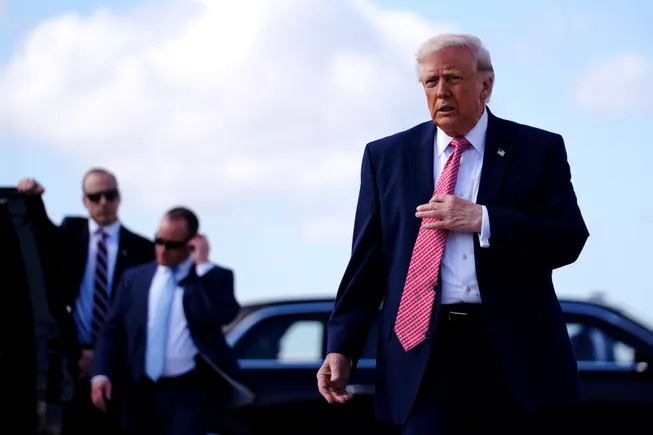
The Trump administration is adjusting how Section 232 tariffs are calculated on imports of steel, aluminum and copper and related products, according to a proclamation President Donald Trump signed Thursday.
Under the new rules, which take effect on April 6, goods made almost entirely of aluminum, steel or copper, including steel coils and aluminum sheets, will face a 50% tariff on the value of the item.
However, derivative items “substantially made” of steel, aluminum or copper will incur a 25% rate, according to a White House fact sheet. Those products include steel kitchen appliances, silver, diesel-powered trains and semi-trailer trucks, according to a list provided by the White House.
Trump clarified that lower tariffs will apply to UK steel and aluminum products. Such goods will face a 25% tariff if they are made almost entirely of metals, while derivative products will face a 15% levy. Trump also said the new rules did not alter or replace previous agreements with trading partners such as the European Union, Japan and South Korea.
Meanwhile, the administration is also setting a 15 percent tariff on “certain metal-insensitive industrial equipment and power grid equipment,” as well as a 10 percent levy on imported goods made entirely of U.S. steel, aluminum or copper, according to the fact sheet. The tariff level of the teams will remain in force until 2027.
Finally, the proclamation says that Article 232 tariffs will no longer apply to goods made with 15% or less of steel, aluminum or copper.
Trump first introduced new tariffs on steel and aluminum products more than a year ago, eventually increasing them to 50%. Meanwhile, copper imports have faced a 50% levy since last August.
As for the steel and aluminum duties, Trump later expanded the scope of covered products to include locomotives, motorcycles, truck trailers and certain auto parts, as well as numerous household appliances, including refrigerators, dishwashers, stoves and ovens, washing machines and microwaves.
As part of Thursday’s proclamation, Trump ended the process he established in previous orders to include additional derivative products in the metals tariffs. Cabinet officials will now determine whether additional derivatives should be included within the scope of the levies on an ongoing basis.
Beyond steel, aluminum and copper, Trump has also used Section 232 to enact tariffs on other goods, including cars and auto parts, furniture, heavy trucks and buses. His administration is also conducting Section 232 investigations in several other sectors, including commercial aircraft and jet engines, robotics and industrial equipment, and medical devices.
