

If you want to get a sense of the talent challenge companies in the industry now face, look no further than the job openings posted on the website of GEI Consultants, an engineering consulting and environmental firm with offices across the country. Sixty-four of the company’s posted positions are classified as “emerging professionals,” with job titles including project geotechnical engineer, project water resources engineer and protected species observer, on-call.
These are likely to be more junior positions with a steady if unspectacular salary. Similar lists can be found on the websites of other companies in the sector, a reflection of the shortage of engineering graduates.
For reasons that do not match economic reality, the Trump administration has directed some of its immigration policy against legal immigrants, including many non-U.S. citizens who have American college degrees or training and could be granted a legal work visa to help build America’s vital buildings and infrastructure and protect its environment.
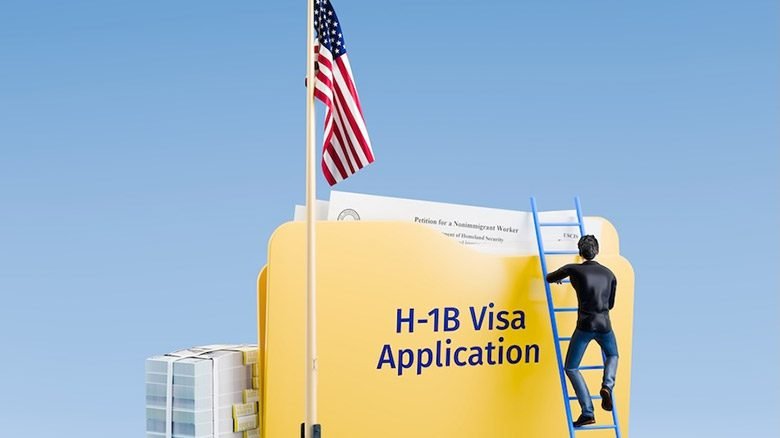
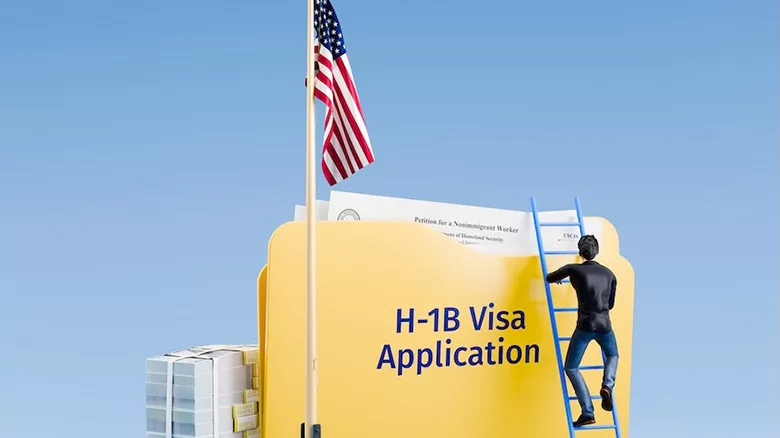
Unlike Trump’s sweeping deportation program, the legal visa policy has garnered little national attention. Last September, President Donald Trump decreed that employers would have to pay an additional $100,000 per H-1B visa, a program that allows those who cannot fill a position with a citizen to legally hire a noncitizen, often someone who is already here to study. It has generated many new employees with innovative ideas and reduced costs.
In February, the administration issued new rules that changed the selection criteria for H-1B visas that are granted — from a random process to one weighted to favor the highest-paid employees. These changes alone meant that engineering firms would likely face greatly reduced opportunities to hire on H-1Bs.
For reasons that do not match economic reality, the Trump administration’s policies against legal work visas will shrink the pool of construction workers.
Now the U.S. Department of Labor wants to raise the prevailing wages that employers must pay under the visa program, presumably to force them to give below-market compensation to non-U.S. citizens. The American Engineering Enterprise Council, which opposed previous rule changes to the H-1B visa program, has explained the likely consequences of the new one.
The proposed adjustments would raise the average certified wage by about $14,000 a year per worker, burdening many small employers and visa holders who work for state agencies mainly face tight limits on reimbursement rates. Wages offered to US employees should be increased to avoid claims of favoring international staff. Higher salary thresholds would make it harder for employers to sponsor recent graduates and emerging professionals.
The comment period for the proposed new rules is now closed, but we expect some necessary changes to be made before their formal adoption. If not, combined with other recent changes to H-1B rules, well-funded tech companies are likely to scoop up the majority of these visa hires, and the industry’s professional services labor shortage will worsen.
Looking for quick answers on construction and engineering topics?
Try Ask ENR, our new intelligent AI search tool.
Ask ENR →
