

Adopting technology can help construction companies reduce errors, a new report claims – but only if implemented alongside cultural changes.
The Get it Right Initiative (GIRI), a membership organization that aims to eliminate construction defects, says mistakes cost the industry up to £25 billion a year and can occur at any stage of a project’s life cycle.
A new report from the group assesses new digital tools being adopted in construction to identify those with the “most potential” to reduce errors.
These include programs that can automatically produce designs and schedules, virtual reality software that can simulate sites, and robots that print a site design on the ground before construction.
Through GIRI’s own analysis and discussions with industry stakeholders, the new report identifies nine types of technology that it believes are “most likely to have a genuine impact” in addressing the defects (see the box below).
But the report adds that the benefits of this technology will only be realized within a culture of “digital maturity,” which involves people and process factors as well as technology.
A contributor to the research commented, “The technology itself is only a small part of the challenge. The biggest part is people and their motivations. You can never get someone to do something they don’t want to do.”
A 2016 GIRI report found that the top three causes of construction failure were inadequate planning, late design changes and poorly communicated design information.
The report highlights a number of barriers to adopting technology, including the complexity of existing systems and structures and limited “bandwidth” between teams for new approaches.
He also notes a “disincentive to measure and record bugs” because “nobody wants to admit that they happen in their own projects.”
The authors say that technology can only be successfully adopted when there is sufficient maturity in five areas: capabilities and skills, technology and data, standards and processes, strategy and governance, and communication and collaboration.
Commenting on the research findings, GIRI chief executive Cliff Smith said: “The potential of digital construction to revolutionize the way we work is increasingly recognised. In an industry that is losing between £10bn and £25bn pounds a year from avoidable errors, technology can help support the benefits of getting the build right the first time.
“The broad benefits of eliminating construction errors are more important now than ever when looking at productivity, cost performance and sustainability from waste reduction.
“However, we can only solve the problem if we recognize it. We need to see a shift in work culture across the industry to one that prioritizes zero errors in design and construction.”
The nine technologies that are “most likely to have a genuine impact” in addressing defects
- ‘check’ technology – systems that can check data and information for errors.
- Automated generation technology – programs that can automatically produce design models and construction schedules.
- Workflow engines – systems that help streamline work processes, for example by tracking progress, assigning responsibilities or automating routine tasks.
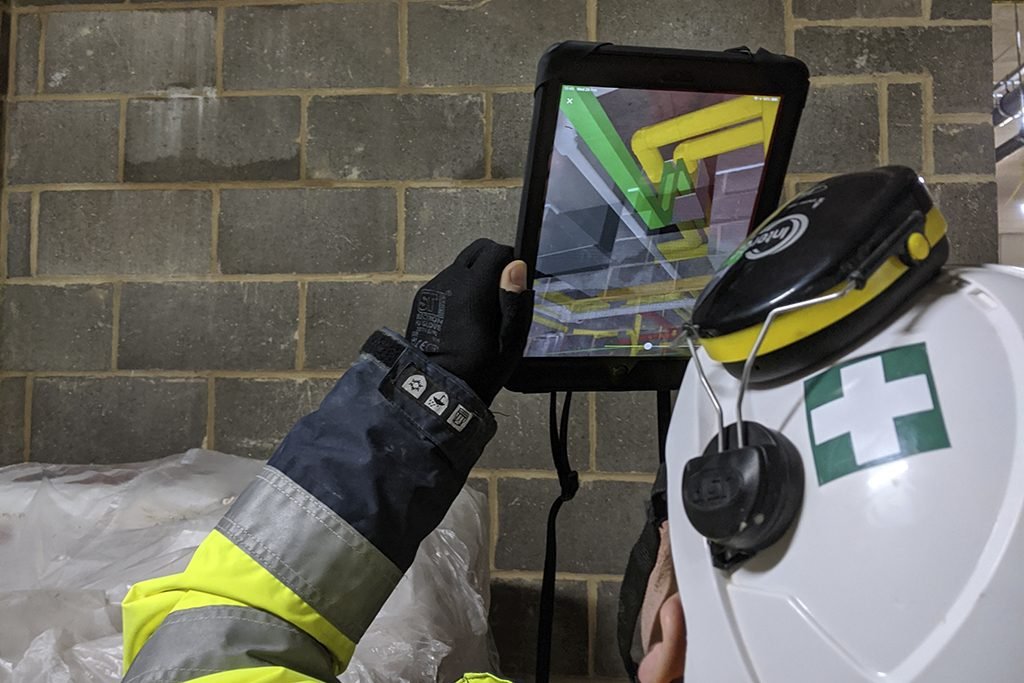
- Visualization software – tools that can simulate sites and designs using virtual or augmented reality.
- Collaboration and communication tools: Apps to help teams work together, capture project data, and keep clients informed.
- Computer vision: Artificial intelligence that can analyze photographs and videos to help identify errors and anomalies on the spot.
- IOT Sensors: Internet-enabled sensors that can monitor various phenomena such as temperature, humidity, and motion.
- Digital design – where robots print the site design on the ground before construction.
- Document Management Systems: Cloud-based tools that support better collaboration and version control.
