

With the recent passage of a historic housing bill in Congress, builders are looking at the next steps federal agencies need to take to develop guidelines and establish the regulatory framework to implement the new law, and whether there will be room at the table for the industry to have a voice in the process.
On June 29, Congress sent the 21st Century ROAD to Housing Act to President Donald Trump, hoping he would sign it into law. The president, who had 10 days to sign the legislation, veto it or do nothing, in which case the bill would automatically become law, chose to let the clock run out in protest of Congress’s opposition to voting on separate voter ID legislation, the SAVE America Act.
A number of industry groups immediately praised the passage of the new law, a massive legislative package consisting of more than 60 previously introduced stand-alone bills and more than 50 provisions dedicated to housing and banking. Many, including the National Housing Conference (NHC), said they plan to be in communication with one or more of the multiple agencies working together on the implementation process.
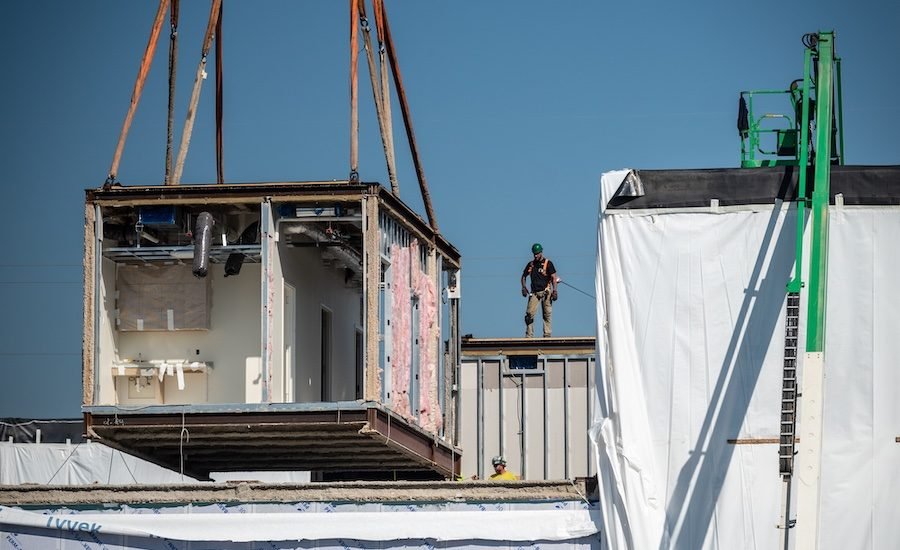
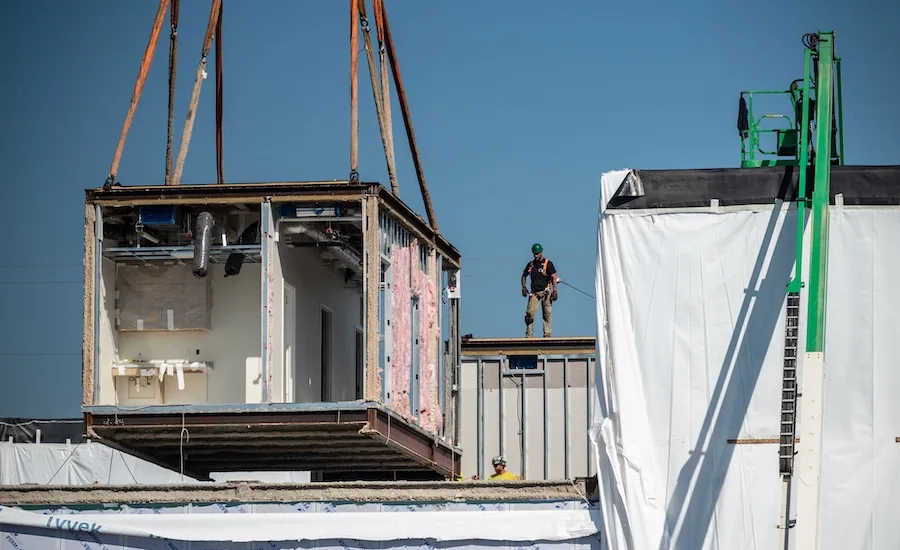
Among numerous initiatives, the legislation establishes the U.S. Department of Housing and Urban Development as the lead authority in developing standards for modular housing, authorizes the Community Development Block Grant Disaster Recovery (CDBG) program for three years, and requires CDBG grantees to maintain a publicly accessible database identifying undeveloped land by jurisdiction.
The legislation also authorizes a new pilot program to provide grants to state, local and tribal governments for regional housing planning and community development activities, as well as a pilot program under the HOME Investment Partnerships Program to convert vacant and abandoned buildings into affordable housing.
“This legislation will only be as effective as its implementation. Regulations must be written to ensure that the bill’s promise is realized,” NHC President and CEO David M. Dworkin said in a statement. To that end, the NHC’s Housing Supply Task Force will immediately begin using AI to help the departments of Housing and Urban Development, Treasury, Agriculture and Veterans Affairs write regulations “in a fraction of the time it would have taken in the past.”
Tom Hardiman, executive director of the Modular Home Builders Association, says that as the bill moved through Congress, his group fought a provision that would have changed the federal definition of manufactured housing to include units that are not built on a permanent chassis. MHBA argued that modular homes must meet the same building codes as site-built homes, while manufactured homes are built under the Housing and Urban Development code, Hardiman told ENR.
Looking for quick answers on construction and engineering topics?
Try Ask ENR, our new intelligent AI search tool.
Ask ENR →
“Our concern was this [the modification] it would start to blur the lines and make it look like modular homes are built to a less robust standard,” he said.
The provision to remove a permanent chassis requirement, however, is now part of the law. “We knew we were fighting a bit of an uphill battle, but overall … this is the first housing bill in three decades and that’s a positive thing,” Hardiman said. However, there may also be room to raise concerns, as the law directs the Government Accountability Office to study issues to help advance housing and economic opportunity, Hardiman said.
The National Multifamily Housing Council (NMHC) pushed through a requirement in the original bill that large-scale institutional investors sell rental properties (BTRs) to individuals within seven years. While the new law prohibits such investors from purchasing new single-family homes, it allows certain exemptions when purchasing new BTR properties.
“While no law is perfect, this is the most important housing legislation in a generation,” said Colin Dunn, a spokesman for the NMHC. “We look forward to the progress it makes and how it can open the door to even more ambitious legislation in the future.”
The National League of Cities welcomes legislation to preserve local zoning authority, avoid unfunded mandates for local governments, and align with local infrastructure needs. President of the NLC Kevin Kramer said in a statement.
