

RIPPA PRESS CENTER
October 4, 2025
industry
Contractors through North America and Europe face a common question when expanding their fleets: Should I invest in a mini excavator or a backhoe? Both machines are versatile, powerful and widely used in construction, landscaping and municipal projects. However, their differences in size, performance and cost can make one option much more suitable than the other, depending on the project.
This guide explores the strengths and weaknesses of both machines, giving you the information you need to make the right investment in 2025.
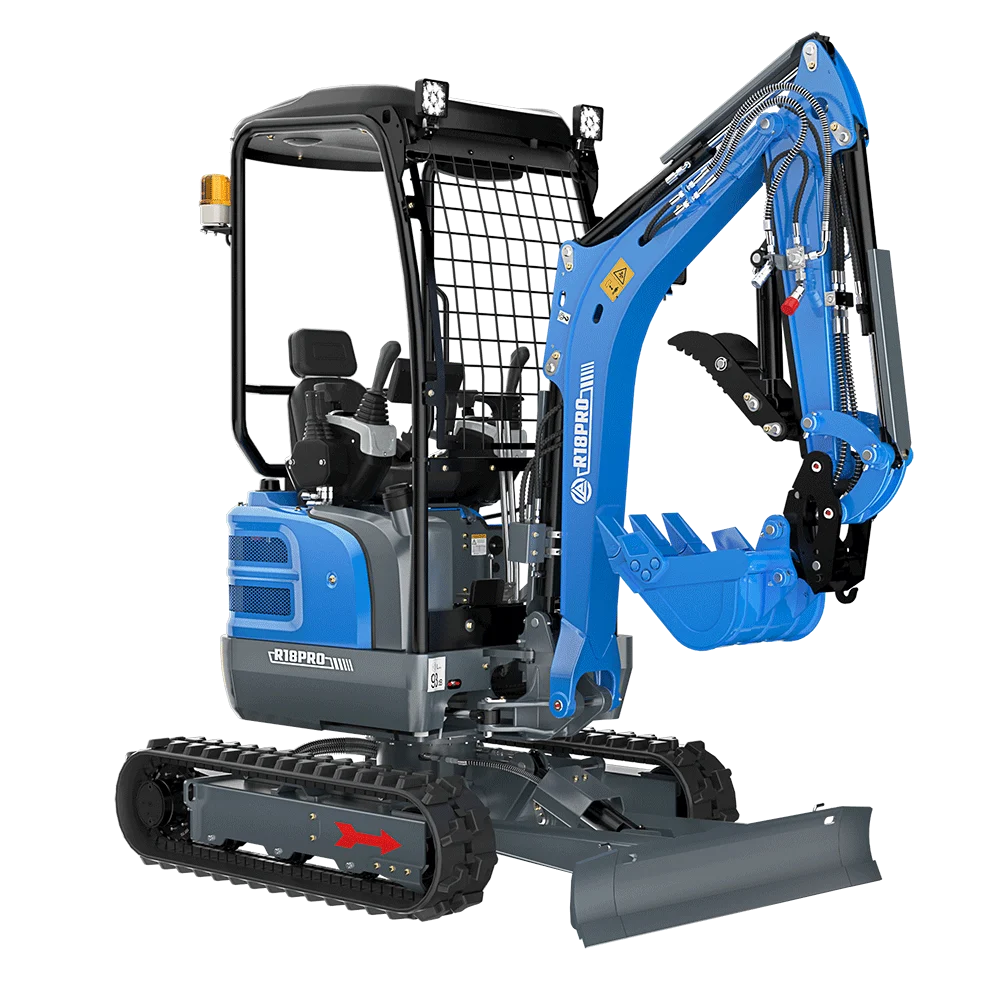
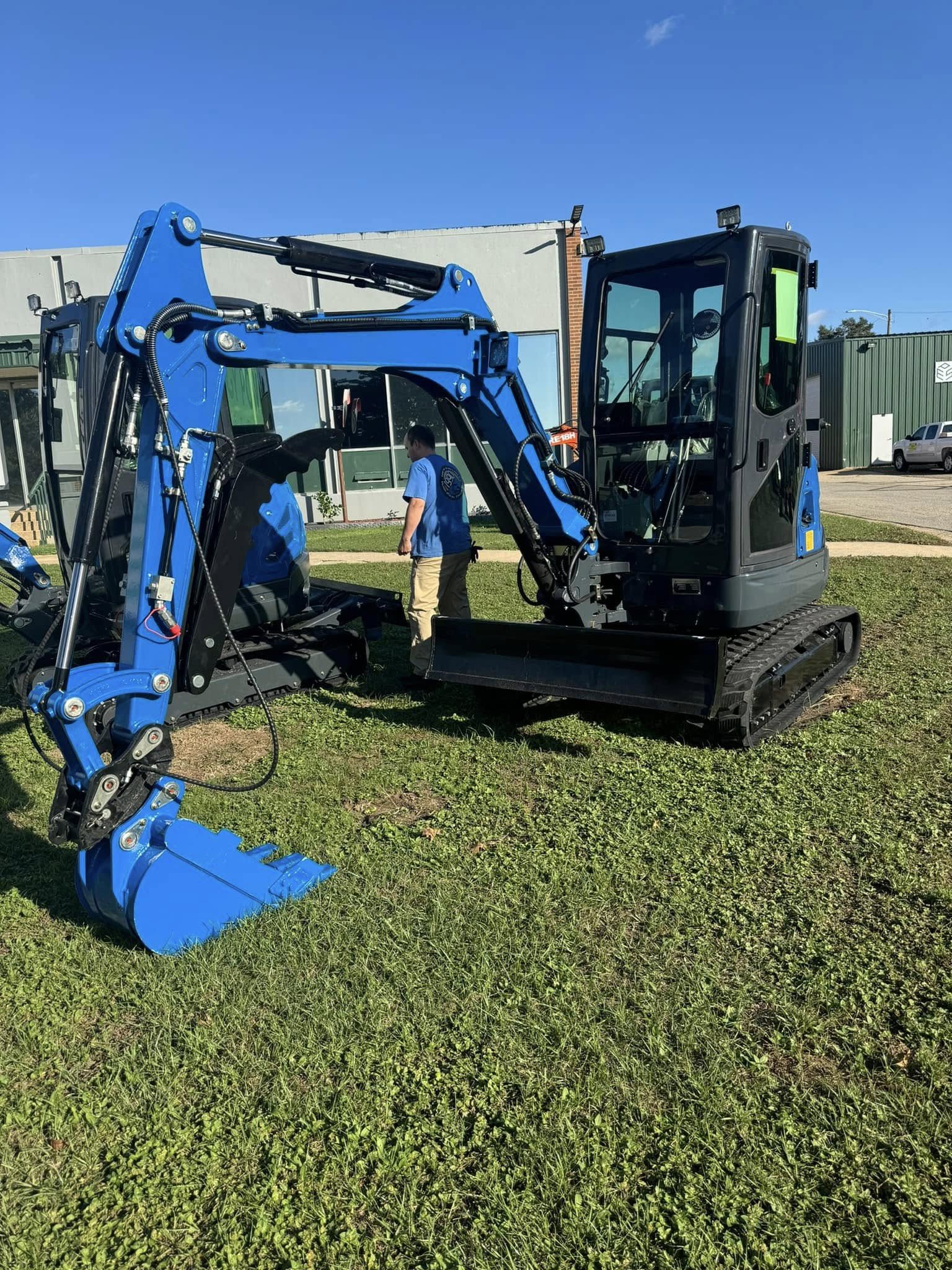
Mini excavators: compact power plants
Mini excavators, which typically weigh between 1 and 6 tons, are built for agility and precision. Their small size and advanced hydraulics make them indispensable in modern urban projects.
Advantages of mini excavators:
-
Agility in small spaces: Perfect for urban construction and landscaping where space is limited.
-
Lower costs: Smaller motors and simpler structures reduce purchase and operating costs.
-
Easy transportation: It can be transported on light trailers, eliminating the need for specialized transport vehicles.
-
Attachment Versatility: From augers to breakers, accessories transform them into multi-functional tools.
Limitations:
Backhoe: all-in-one machines
Backhoes combine a front loader with a rear digging arm. This dual functionality makes them versatile for construction, agricultural and municipal projects.
Advantages of backhoes:
-
Two functions in one: It can dig and load, saving space on the job site.
-
Good for rural projects: Useful for road repair, agricultural work and ditches.
-
Free height to the upper floor: More suitable for uneven rural terrain.
Limitations:
-
Larger size: Less maneuverable in tight urban projects.
-
Higher costs: They are more expensive to purchase and maintain than mini excavators.
-
Lower Accuracy: Not as nimble as mini excavators for fine digging or detail work.
Side by side comparison
| function | mini excavator | Backhoe |
|---|---|---|
| Size and maneuverability | Compact, agile in small spaces | Bigger, harder to use in urban areas |
| cost | Lower purchase and operating costs | Higher purchase price and fuel costs |
| Attachments | Wide range, easily interchangeable | Fewer options, more limited |
| Excavation depth | Shallow to medium depth | Medium to deep, depending on model |
| Transportation | Easy to transport in small trailers | Requires larger trucks/trailers |
| Better for | Urban projects, landscaping, rentals | Rural work, farms, road maintenance |
Market trends in 2025
-
In North Americathe demand of mini excavators is growing rapidly due to urbanization and small-scale contractors looking for affordable equipment.
-
In europestricter emissions regulations favor mini excavators powered by Kubota engines that meet EPA Tier 4 and Euro V standards.
-
Backhoes remain popular in agricultural and rural markets, but are slowly losing ground in cities where compact machines dominate.
Why Rippa Recommends Mini Excavators
While backhoes are still valuable on rural projects, Rippa advises most contractors to prioritize mini excavators in 2025 because:
-
Models like Rippa R10, R18 and R22 they are compact but powerful.
-
Smart factory production guarantees constant quality and short delivery times.
-
Favorable policies for distributors include low minimum orders and three-year warranties.
-
Overseas distribution center at USA and Europe guarantees fast spare parts support.
Final Verdict: Mini Excavators or Backhoes?
If you are a focused contractor urban construction, landscaping or rentalmini excavators are the best investment. They are more affordable, easier to transport and meet the growing demand for compact and ecological machines.
Backhoes are still a good choice rural projects and farmsbut in 2025, the market trend is clear: Mini excavators are the smartest long-term investment.
