

After funding disputes disrupted major transportation projects including the Hudson Gateway Tunnel, Chicago Transit Authority rail programs and New York’s Second Avenue subway expansion, lawmakers are asking a question that could shape the next surface transportation bill: How secure are federal transportation funding commitments once projects are underway?
A June 3 letter from Sen. Ed Markey (D-Mass.) and 15 other Senate Democrats urged the leaders of the Senate Environment and Public Works, Commerce, Banking and Appropriations committees to include protections against what they described as political interference in transportation funding, arguing that grant cancellations and delays have undermined confidence in the federal infrastructure program.
“The upcoming surface transportation bill must include protections for current and future grant funding against inappropriate political interference,” the letter states, in part.
They also argued that Congress can’t have confidence in a new bipartisan transportation package if the administration isn’t faithfully implementing the laws already on the books.
The House Transportation and Infrastructure Committee approved the five-year BUILD America 250 Act in May, but the Senate has yet to release its own reauthorization proposal. With current surface transportation authorities set to expire on Sept. 30, lawmakers face a tight schedule to develop the Senate legislation and negotiate a final package.
The letter comes before Senate committees have released a draft of the bill, giving Democrats a chance to influence the debate before it goes to a floor vote.
Funding disputes move from political debate to project delivery risk
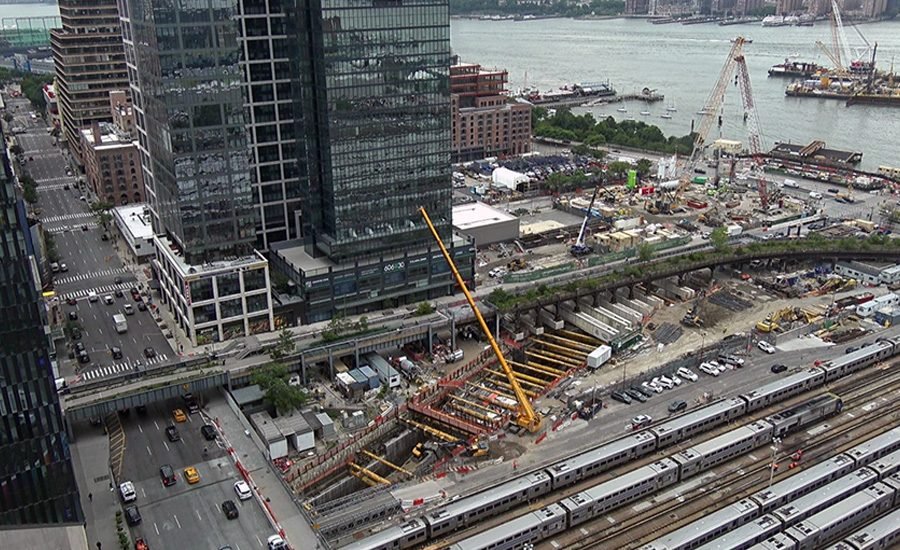
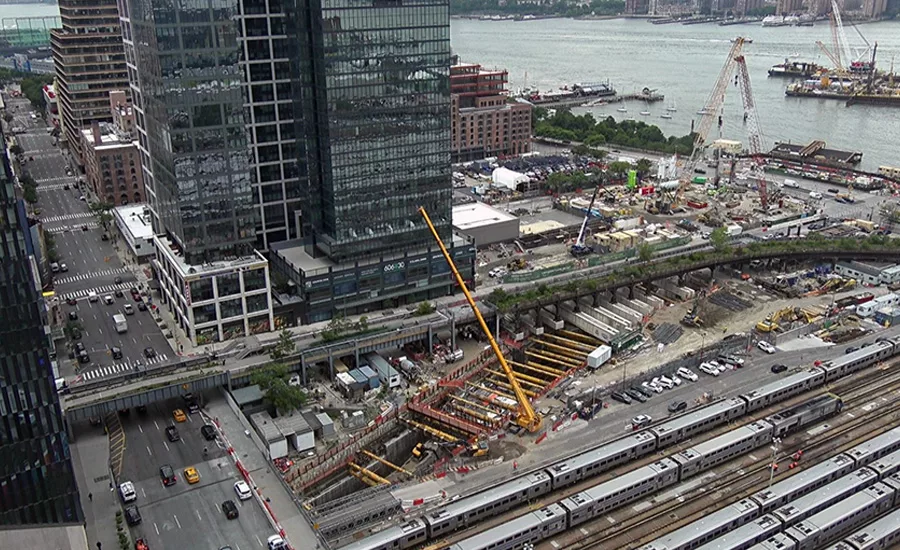
For the sponsors of the project, the issue is not theoretical. Earlier this year, the Gateway Development Commission sued the federal government after reimbursements tied to the $16 billion Hudson Tunnel project were frozen, warning that construction could be forced to a halt and estimating that prolonged disruption could add up to $2 billion to the project’s costs.
Looking for quick answers on construction and engineering topics?
Try Ask ENR, our new intelligent AI search tool.
Ask ENR →
Gateway officials later reported that the funding disruption cost millions of dollars, delayed the awarding of major contracts and created new risks to construction sequencing and the procurement schedule.
In Chicago, transit officials warned that a $2.1 billion federal funding freeze affecting the Red Line extension and Red and Purple modernization programs would force the demobilization of contractors and halt work on active construction projects. A federal judge later ordered the funding restored, allowing the work to continue.
The Metropolitan Transportation Authority separately sued the U.S. Department of Transportation for more than $58.6 million in withheld reimbursements tied to the $7.7 million Second Avenue Subway Phase 2 project, arguing that disruptions to federal payment streams threaten the sequencing of purchases, contractor payments and active construction progress.
Senate Democrats say these disputes are symptoms of a larger problem. His letter takes aim at transit projects, road safety initiatives, electric vehicle infrastructure and other programs that have faced funding reviews, pauses or cancellations under the Trump administration.
RELATED
Gateway says Hudson tunnel shutdown ‘cost millions’ and delayed contracts as April 16 court fight looms
The house proposal offers railings, critics want more
The House Transportation and Infrastructure Committee’s proposed BUILD America 250 Act already contains language intended to address some of these concerns.
Section 1101(f) states that the Secretary of Transportation may not “terminate, withhold, or delay execution of a grant agreement” because a grant no longer advances “nonstatutory program objectives or agency priorities,” an apparent attempt to limit future administrations from revisiting previously awarded projects simply because political priorities have changed.
The provision suggests that lawmakers are already aware that grant administration itself has become a transportation policy issue. Critics argue that the protections do not go far enough.
Stephan Davis, director of Transportation for America, argues the proposal does little to address subsidies that have already been canceled, rescinded or repurposed.
Instead, he says lawmakers should first address grants awarded under the Jobs and Infrastructure Investments Act that have since been canceled or defunded.
“The starting point should be, let’s make sure all these things we agreed to before are done properly, and then come talk to me about getting more money,” Davis says.
Beyond funding levels and program priorities, a new question arises: Who controls transportation funding after it has been awarded?
“Congress cannot have confidence in a final bill, even one that is bipartisan and negotiated in good faith, if the Administration is not actively implementing the laws already in place,” the senators wrote.
Republicans on the House Transportation and Infrastructure Committee and the US Department of Transportation did not immediately respond to requests for comment.
