

This audio is automatically generated. Please let us know if you have any comments.
The United States stepped up its trade war with Canada on Tuesday, banning imports of select alcohol, dairy products and motor vehicles, while extending a 50 percent retaliatory tariff to a wider range of imports, including specialty cheeses, boats and furniture.
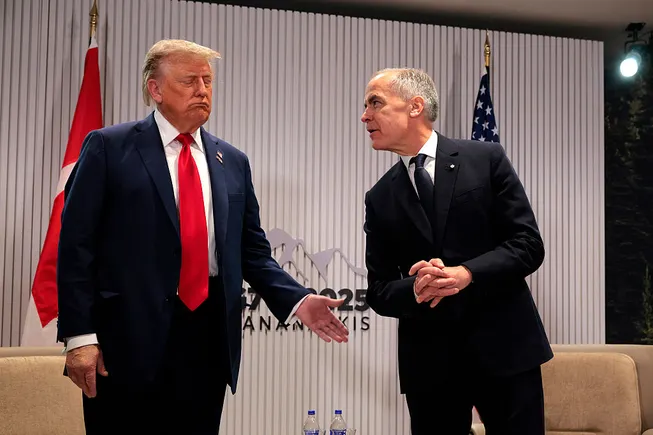
U.S. President Donald Trump enacted the measures through five proclamations issued on the same day Canada began levying tariffs of up to 50 percent on a range of U.S. goods, matching the levies the Trump administration has imposed.
The import bans, effective September 29, include motorcycles, mopeds and cycles equipped with internal combustion piston engines with a cylinder capacity greater than 800 cubic centimeters. The bans also apply to beer, wines, cider and other fermented beverages, high-proof spirits and many major categories of spirits, along with whey products, molasses and non-alcoholic beer. Covered goods will continue to face a 50% Section 338 tariff until the import bans go into effect.
The products targeted for import bans had a trade value of less than $1 billion, Deborah Elms, a trade and economic policy expert at the Hinrich Foundation, said in a LinkedIn post.
Beyond the import exclusions, effective September 15, the list of goods subject to Section 338’s 50% tariff will be expanded to include specialty cheeses, modified fats/oils, bovine hides and skins, certain raw and dressed hides, and recreational motorboats.
Other products now facing a 50% tariff include specialty paper, some steel and aluminum items, metal fittings and welding inputs, golf carts, furniture and lighting. The tariffs apply regardless of whether goods qualify for treatment under the United States-Canada-Mexico Agreement and are on top of existing Section 232 tariffs, according to a White House fact sheet.
The tariff changes were “basically a wash” because the Trump administration also removed some products from Section 338 tariffs, according to Elms. Products removed from the levies include toilet paper, salt, cement and whiskies, spirits and cordials in containers of more than 4 litres.
“Of course, if your company produces the goods that are now added to any list, it has an impact,” Elms said. “But given that [Canada] is the US’s largest trading partner, even a frighteningly large number of tariff damages is actually very modest.”
In addition to expanding tariffs and banning some Canadian products, Trump ordered the US Trade Representative and the administrator of the General Services Administration to pull $50 billion worth of Canadian products from GSA’s multiple award programs, according to the fact sheet, which links to a Truth Social post by the president. The MAS provides federal, state, local and tribal governments with access to commercial products and services.
The latest measures followed what Trump described as Canada’s discrimination against American trade in three sectors: alcoholic beverages, dairy and motor vehicles. The president claims Canada’s federal and provincial policies unfairly harm American goods compared to those of other countries, according to the proclamations.
The escalation of the trade dispute began in earnest after negotiations failed last month on the 50 percent tariffs Trump announced in July, with each side blaming the other for the breakdown.
After Canadian Prime Minister Mark Carney called negotiators, Trump imposed 50% tariffs on $20 billion worth of Canadian imports, including agricultural and natural raw materials, chemicals, textiles, consumer goods, wood products, paper, machinery and tools.
Canada retaliated with tariffs on roughly the same value of American goods, matching the rates the Trump administration imposed. The tariffs, which took effect on Tuesday, target steel, dairy products, household appliances, farm equipment, electronics and pulp and paper.
