

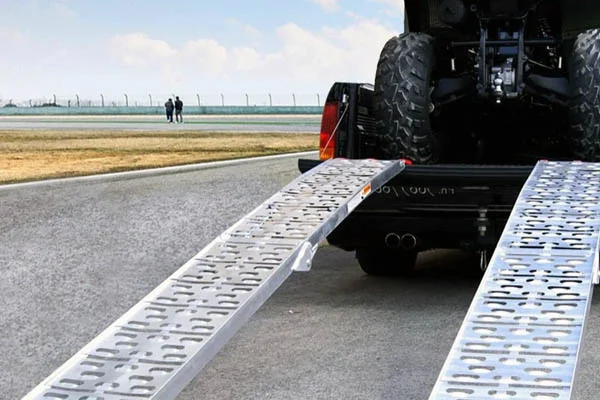
How to choose heavy-duty car tow ramps for safe loading
Heavy Duty Car Trailer Ramps are essential equipment for anyone who regularly loads vehicles onto trailers. Whether you operate a car hauling business, a repair shop, a motorsports team, or simply transport vehicles occasionally, choosing strong and reliable ramps can make the loading process safer and more efficient.

The right heavy-duty trailer hitches do more than support the weight of the vehicle. They must handle repeated loading, provide stable traction and match the design of the trailer. A poor choice of ramp can lead to unnecessary risks, especially when transporting heavier vehicles or equipment.
Why heavy car tow ramps are important for vehicle transport
Strong trailer ramps improve both safety and efficiency when loading the vehicle. When ramps are designed with sufficient strength and proper dimensions, they help vehicles move smoothly from the ground to the trailer deck without undue stress on the equipment.
Problems caused by weak trailer hitches
Poor quality ramps can bend, slip or fail when exposed to heavy loads. This can damage vehicles, trailers and equipment while increasing safety risks for operators. Professional users often select ramps based on actual loading conditions rather than choosing the cheapest option.
Why professional users prefer heavy-duty ramps
Transport companies and workshops often load vehicles frequently, which means durability becomes an important factor. Heavy-duty car tow ramps are built for repeated use and provide better long-term value compared to lightweight alternatives.
What are Heavy Duty Car Tow Ramps?
Heavy car tow ramps are reinforced loading ramps designed to support vehicles during the loading and unloading process. They are commonly used with car carriers, flatbed trailers and equipment trailers where greater strength and stability are required.
How heavy-duty tow ramps work
Trailer ramps create a controlled transition between the floor and the trailer deck. Its length and angle determine how smoothly a vehicle can hitch onto a trailer, especially for cars with low ground clearance and heavier vehicles.
Common materials used for trailer loading ramps
Heavy-duty ramps are usually made of steel or aluminum. Steel ramps are known for excellent strength, while aluminum ramps offer lighter weight and better corrosion resistance.
Where are heavy duty tow ramps used?
Heavy-duty trailer ramps are used in many industries that require safe vehicle movement. Its applications range from professional transport to the transport of personal vehicles.
Vehicle transport and car transport
Trucking companies rely on reliable ramps to efficiently load different types of vehicles. Durable ramps help operators manage daily loading tasks while reducing equipment downtime.
Motor vehicles and low authorization
Race cars and modified vehicles usually have a lower ground clearance, which makes ramp design especially important. Longer ramps with gentler angles can reduce the risk of scraping during loading.
Commercial and workshop applications
Repair shops, rental companies and equipment operators use heavy duty ramps to move vehicles that require transport or recovery.
How to choose the right heavy duty car tow ramps
Selecting the correct ramps requires evaluating the trailer type, vehicle weight, and operating environment. The best ramp is not always the biggest, but the one that fits your actual requirements.
Check the weight capacity of the ramp
Load capacity is one of the most important factors when purchasing trailer hitches. The capacity of the ramp must safely exceed the weight of the vehicle, taking into account the additional forces during loading.
Match the size of the ramp to your trailer
The width, length and style of ramp connection must match the height of the trailer deck and the dimensions of the vehicle. The right size improves stability and makes loading easier.
Consider ramp material and surface design
Material affects durability, weight and maintenance requirements. A good tread design should provide enough traction even in outdoor conditions.
Aluminum versus steel tow ramps
Choosing between aluminum and steel depends on your priorities. Both materials can work well when designed correctly, but offer different advantages.
Benefits of aluminum trailer ramps
Aluminum ramps are lightweight and corrosion resistant, making them suitable for users who frequently move or store their towing equipment.
Advantages of steel trailer ramps
Steel ramps provide excellent strength and are often preferred for heavy duty commercial applications where maximum durability is required.
Important safety features of heavy-duty trailer ramps
Anti-slip surface design
A stable loading surface helps prevent tire slip during operation. Ramps with textured surfaces or traction features provide better control in different weather conditions.
Adequate ramp angle and load stability
The ramp angle affects how easily a vehicle can climb onto the trailer. A proper angle is especially important for sports cars, modified vehicles and heavy equipment.
Installation and usage tips for trailer ramps
Correct placement of the ramp
Before loading, make sure the ramps are properly aligned with the trailer cover. Improper positioning can create uneven pressure and reduce stability.
Secure the ramp before loading
Always confirm that ramps are properly attached before moving a vehicle. Proper fastening helps prevent unexpected movement during loading.
Maintenance tips to extend the life of the ramp
Damage and wear inspection
Check regularly for cracks, bending, corrosion or damaged connection points. Early inspection helps prevent failures during transport.
Cleaning and storage recommendations
Keeping your ramps clean and storing them properly can extend their lifespan. Removing dirt, moisture and road debris helps protect the material.
Common Mistakes When Buying Heavy Duty Car Tow Ramps
Many buyers focus only on price and overlook important factors such as load capacity, ramp length and compatibility. Choosing ramps based on actual usage requirements helps avoid performance issues.
Frequently asked questions about heavy duty car tow ramps
How much weight can heavy car tow ramps support?
Capacity depends on ramp design, material and manufacturer specifications. Buyers should always select ramps with adequate safety margin above vehicle weight.
Are aluminum tow ramps strong enough for car hauling?
yes High quality aluminum ramps can provide excellent strength while reducing overall weight. They are widely used where corrosion resistance and easy handling are important.
How do I know if a tow ramp fits my car’s trailer?
Please check the ramp length, width, weight and connection method before purchasing. The ramp must match both the structure of the trailer and the vehicle being loaded.
Should I Choose Heavy Duty Steel or Aluminum Trailer Ramps?
Steel is suitable for maximum durability and heavy commercial use, while aluminum is better for users who need lightweight, corrosion-resistant equipment.
How can I make trailer ramp loading safer?
Use correctly graded ramps, secure connection points, maintain proper alignment and load vehicles slowly. Periodic inspection is also important for safe operation.
Conclusion
Choosing the right car tow ramps helps improve cargo safety, equipment reliability and overall transportation efficiency. By considering capacity, materials, compatibility and maintenance needs, trailer owners can select ramps that support their daily operations.
