

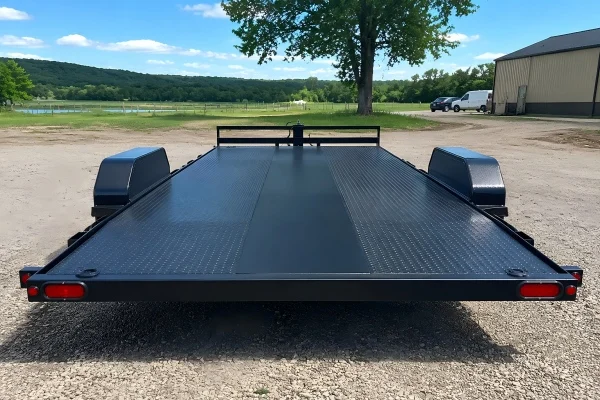
What width car trailer do you need for your vehicle?
Choosing the right car trailer width is one of the first decisions you should make before purchasing a car trailer. Many buyers focus on trailer length, payload capacity, axle configuration, or price, but trailer width directly affects how safely your vehicle fits, how easily you can load it, and how stable the trailer is while towing. Technically, a trailer that is too narrow can carry your vehicle, but it can create problems with tire position, anchorage installation, load confidence, and long-distance driving safety.

For most passenger cars, SUVs, sports cars, and general vehicle hauling applications, the typical car trailer width is between 7 feet and 7 feet 6 inches. However, the best width depends on the dimensions of your vehicle, the towing environment, and how you plan to use the trailer. A personal vehicle owner hauling a sedan may need a different trailer width compared to a car dealership, repair shop, race team, or vehicle hauling company that handles multiple types of vehicles.
A properly sized trailer does more than fit your vehicle onto the deck. It provides sufficient working space to position the vehicle correctly, secure the tires with straps, maintain proper weight distribution and load vehicles without unnecessary stress. When buyers ask, “How wide a car trailer do I need?”, the answer should always start with understanding the vehicle being transported and the actual working conditions rather than simply choosing the widest or cheapest option available.
Why is car trailer width important for safe towing?
The width of the car trailer plays an important role in the safety of the trailer as it determines how much room your vehicle has on the deck and how easily the load can be balanced. Adequate trailer width helps keep the vehicle centered on the axles, which improves handling and reduces unnecessary stress on the trailer frame, tires and suspension system. When the vehicle is too close to the edges, even small loading errors can affect stability.
Imagine loading a vehicle onto a trailer like parking inside a tight garage. If there is only a few centimeters of free space on each side, every movement requires extra attention. The same principle applies to car trailers. The extra width provides room for small corrections during loading and makes it easier to secure different types of vehicles. This becomes especially important when transporting expensive vehicles, modified cars or vehicles with wider tires.
Professional users usually understand this difference because they load vehicles every day. Trucking companies, dealerships and repair companies need trailers that can handle different models without creating delays. A slightly wider trailer can improve daily efficiency because operators spend less time adjusting vehicle positions and dealing with clearance issues.
How the width of the trailer affects the fit and loading process of the vehicle
When measuring the required width of the car trailer, many people only check the width of the vehicle body. This is an important measure, but it is not the only factor. The actual trailer requirement depends on tire width, wheel position, suspension design, side clearance, and the amount of space needed to attach safety equipment.
For example, a sports car may have a relatively narrow body but with much wider performance tires. A pickup truck may have large mirrors or a wider wheelbase. A modified racing car may require additional clearance due to side skirts, aerodynamic parts or a lower height. These details can significantly change the ideal trailer width.
What is the standard width of a car trailer?
The standard width of a car trailer depends on the design of the trailer and its intended application. Most open car trailers are manufactured to standard road rules while still providing enough space for popular vehicles. A 7-foot wide car trailer is one of the most commonly used sizes because it offers a practical balance between carrying capacity, towing stability and road legal requirements.
A wider trailer is not always automatically better. The correct width should provide enough space for a safe load without creating unnecessary towing difficulties. Buyers should consider the vehicles they currently own and the vehicles they may transport in the future.
| Trailer type | common width | Typical application |
| Compact car trailer | 6ft 8in – 7ft | Small cars and light vehicles |
| Standard car carrier | 7 feet – 7 feet 6 inches | Cars, SUVs, daily transportation |
| Wide car trailer | 7ft 6in – 8ft | Racing cars, trucks, special vehicles |
How to choose the right car trailer width for your vehicle?
Choosing the right car trailer width starts with accurate vehicle measurements. Before you buy, measure the widest point of your vehicle and include areas that may affect cargo space. Many trailer buyers make decisions based on vehicle length alone, but side clearance is just as important.
You need to measure your vehicle’s overall width, tire clearance, wheelbase and ground clearance. After collecting these measurements, consider how much extra space you need to load and secure the vehicle. A trailer shouldn’t fit your vehicle like a tight parking space because real-world transportation requires room for adjustments.
Important considerations before buying a car trailer
Before ordering a trailer, consider the following factors:
- Width of the vehicle body and wider points.
- Tire width and wheel position.
- Space available for straps and fastening equipment.
- Ground clearance for loading ramps.
- Future types of vehicles you can transport.
What car trailer width is best for different users?
The ideal trailer width changes depending on who is using the trailer and what vehicles they are hauling. A private owner moving a standard sedan has different needs compared to a professional hauler who handles multiple vehicles each week.
For trucking companies, a wider car trailer often offers better flexibility. Dealerships and trucking companies can transport sedans, SUVs, trucks, classic cars, and performance vehicles. Choosing a trailer width that supports multiple applications reduces constraints and improves business efficiency.
Width requirements for race car trailers
Race car trailers often require extra width because competition vehicles typically have wider tires, lower suspension and specialized body designs. A standard trailer may work for some race cars, but a wider space makes loading safer and reduces the chance of damaging expensive components.
Many motorsports users prefer a trailer width of about 7 feet 6 inches or wider because it provides extra room for performance vehicles. This extra space is valuable when working with different race cars, changing tire settings, or transporting vehicles with aftermarket modifications.
Frequently asked questions about car trailer width
What is the most common width of a car trailer?
The most common width of a car trailer is between 7 feet and 7 feet 6 inches. This size works well for most passenger vehicles, SUVs and general vehicle hauling as it offers enough clearance while being practical for on-road towing.
Is a wider car trailer safer?
A wider car trailer can improve safety when matched to the vehicle being transported. More deck space allows for easier loading, better cornering access and more flexibility. However, excessive width can lead to towing and legal problems, so the trailer must be selected based on actual requirements.
What trailer width do I need for a racing car?
Many race cars benefit from a wider trailer because they tend to have wider tires and lower ground clearance. A trailer around 7 feet 6 inches or wider is often preferred for motorsports applications, especially when hauling modified or high performance vehicles.
Can I transport an SUV on a standard car trailer?
Many SUVs can be transported on a standard 7-foot to 7-foot 6-inch car trailer. However, you should always check the width, weight and tire position of your SUV before selecting a trailer because some larger models may require additional deck space.
How much extra space should a car trailer have?
A car trailer must provide enough additional space around the vehicle for safe loading and safety. The trailer does not need to be adjusted because operators need space for straps, positioning adjustments and safe handling during transport.
Conclusion: Choosing the right car trailer width
The correct width of the car trailer depends on the size of the vehicle, the purpose of transport and future needs. While a 7-foot-wide trailer works for many standard applications, wider options may be a better investment for users hauling SUVs, trucks, race cars, or multiple types of vehicles.
Before buying a trailer, focus on real-world use, not just specs. Carefully measure your vehicle, consider loading comfort, and choose a trailer width that provides safe clearance. The right width improves trailer reliability, protects your vehicle and makes every loading experience easier.
